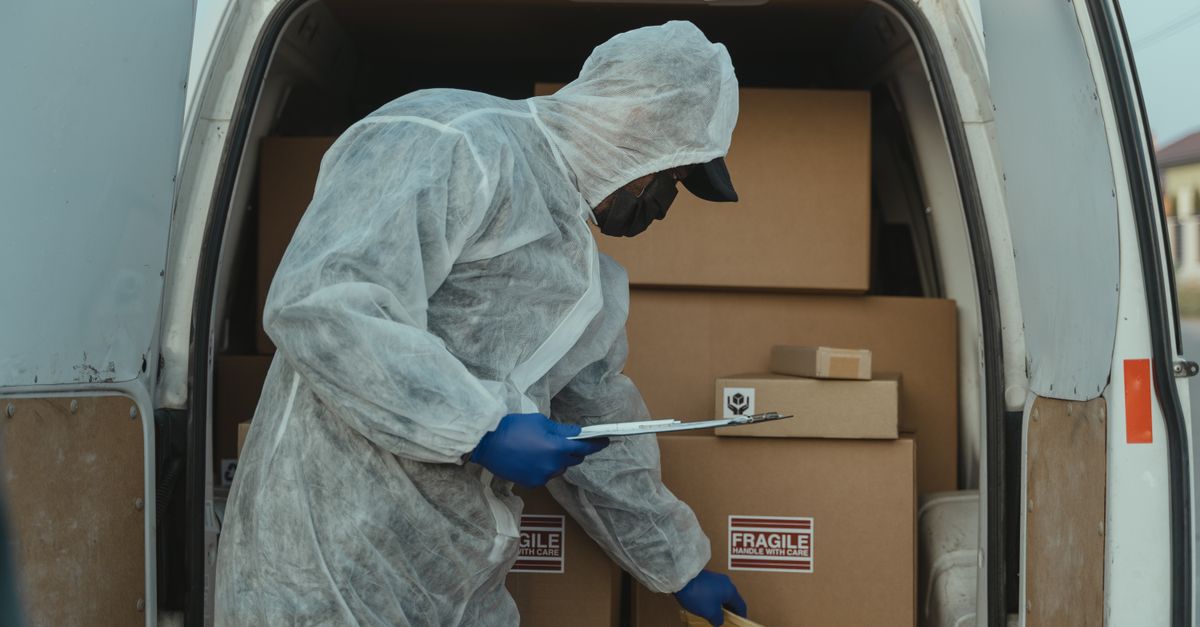
Can I Offer Package Protection If I Fulfill Orders Myself?
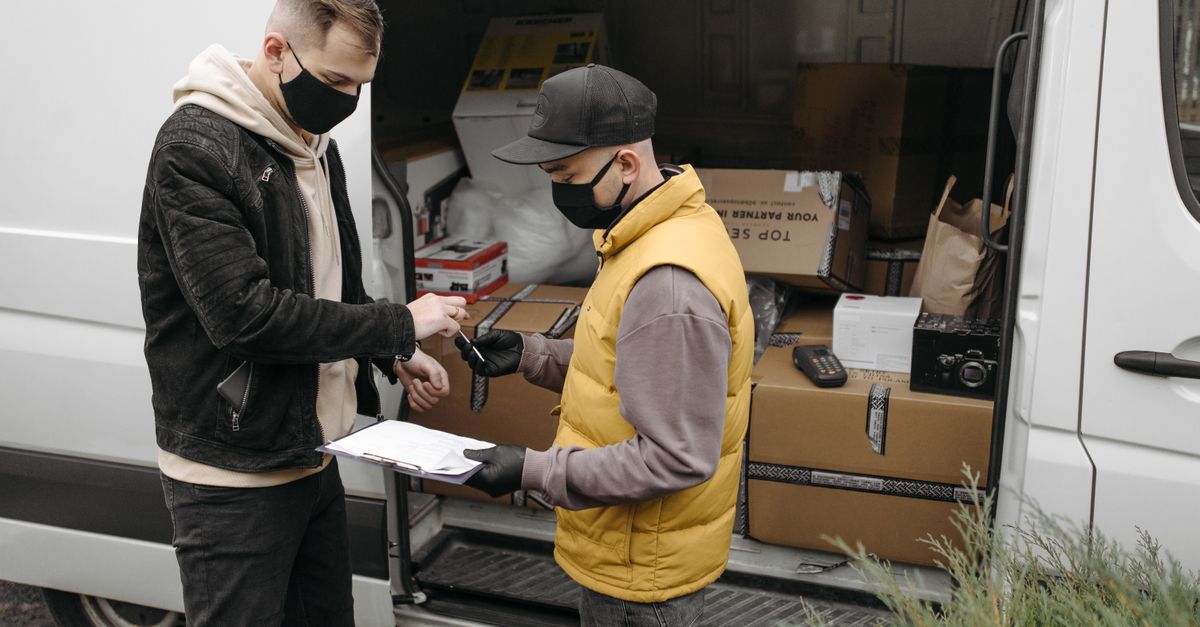
Yes, self-fulfilling stores can offer package protection
Self-fulfilling stores can absolutely offer package protection. If you sell from your own OpoShop store and ship orders yourself, you can add an optional protection fee at checkout and handle claims inside your normal support flow.
That said, the setup matters. The merchant is still the one approving claims, issuing refunds, sending replacements, and keeping the policy fair. Package protection does not remove responsibility from the store owner. It gives the store owner a cleaner way to set expectations before a package goes missing.
A lot of small brands already do the hard part themselves. They pack the order, buy the label, answer the support email, and absorb the loss when something disappears or shows up broken. Package protection gives that process a structure.
If you want a simpler way to collect the fee and track claims against real orders in your OpoShop store, this is a good place to start.
What is package protection for a self-fulfilling store?
Package protection for a self-fulfilling store is an optional checkout add-on that lets a buyer pay a small fee for help if the order is lost, stolen, or damaged in transit. The merchant sets the fee, keeps the fee, reviews the claim, and resolves approved claims with a refund or a reshipment.
That is the plain version.
In a self-fulfilled setup, the flow usually looks like this: the buyer checks a box or accepts a small fee in your OpoShop checkout, the order ships, something goes wrong, and the buyer files a claim tied to the real order. Then the merchant reviews what happened and makes a decision inside normal store operations.
That last part is what a lot of merchants need to understand. Package protection is not the same thing as handing the problem off to someone else. You are still self-insuring. You are just doing it with clearer terms and a cleaner record of what the customer paid for, what was promised, and how the claim was resolved.
Why package protection matters when you fulfill orders yourself
Package protection matters more when you fulfill orders yourself because every shipping problem lands directly on your desk. There is no warehouse partner absorbing the conversation, and there is no big operations team sorting out the edge cases for you.
If you ship 50 orders a month, one missing package can wipe out the margin from several good orders. If you ship 500 or 2,000 orders a month, the problem changes shape. Now it is not just the replacement cost. It is the support load, the back and forth over tracking, the delivered-but-not-received dispute, and the chargeback risk if the customer gets frustrated.
This is where a lot of small brands get squeezed. The order says delivered. The customer says it never arrived. The merchant is stuck between protecting the business and keeping the customer.
Package protection helps because it sets the rules before the problem happens. Instead of improvising every time, the store can point to a clear process for lost, stolen, and damaged package claims. That tends to reduce confusion, reduce arguments, and give customers a better path than going straight to a bank dispute.
And yes, package protection can help reduce chargebacks for delivered orders. Not because it guarantees anything, but because it gives the buyer a claim path tied to the actual order instead of pushing the buyer toward a chargeback over a delivery issue.
How to offer package protection on a self-fulfilled store
The cleanest way to offer package protection on a self-fulfilled store is to decide the rules first, then put the fee and claim process into your checkout and support workflow. If you skip the rules and jump straight to the fee, you create confusion fast.
A few details make this work much better.
First, keep the coverage rules simple. If your policy needs a support agent to explain it three different ways, it is too messy. “Lost, stolen, or damaged in transit” is clear. A paragraph full of carve-outs usually is not.
Second, make the opt-in obvious. Optional protection works best when the customer understands what they are saying yes to. In a OpoShop store, the checkout language should be short and direct.
Here is the difference:
Weak: “Shipping coverage available.” Stronger: “Add package protection for lost, stolen, or damaged deliveries. File a claim against your order if something goes wrong.”
Third, decide in advance when you refund and when you reship. If the item is limited, custom, or out of stock, a refund may be the only clean answer. If the item is easy to replace and the customer still wants it, a reshipment often makes more sense.
Need a cleaner way to put that process in one place instead of juggling notes, emails, and order tags? That is exactly where we think a claims inbox helps.
Best ways to handle package protection: self-managed protection vs carrier insurance vs doing nothing
The best option depends on how much control you want, how often shipping problems happen, and how much support work you are willing to handle. For most small OpoShop merchants, the real choice is not abstract. It is between owning the process, leaning on carrier coverage, or eating the losses as they come.
| Approach | How it works | What you control | What the customer sees | Main tradeoff |
|---|---|---|---|---|
| Self-managed package protection | Buyer opts in at checkout, merchant reviews claims and refunds or reships | High control over rules, approvals, and customer experience | A store-run claim process tied to the real order | You still handle decisions and support work |
| Carrier insurance | Merchant buys coverage through the shipping carrier or label tool | Less control over claim standards and timelines | A claim process that may feel separate from the store | Carrier rules can be rigid and slower for the customer |
| No protection process | Merchant handles issues case by case with no set structure | Full discretion each time | No clear promise before something goes wrong | Support gets messy, losses are unpredictable, chargeback risk stays high |
Self-managed protection works well for small brands because it keeps the relationship in your store. The buyer paid your store. The buyer files against the actual order. The merchant decides what is fair and resolves the issue inside the store.
Carrier insurance has a place, especially for expensive shipments or fragile products. But carrier coverage and package protection are not the same thing. Carrier insurance is about the carrier claim. Package protection is about the customer promise.
Doing nothing is still a choice. It is just usually the most expensive one in disguise.
Common mistakes self-fulfilling merchants make with package protection
The biggest mistakes are usually not technical. They are policy mistakes. And policy mistakes turn into support problems fast.
One common mistake is vague language. If your store says “protected shipping” but never explains what that means, customers will fill in the blanks themselves. That is how disputes start.
Another mistake is leaving claim deadlines fuzzy. A damaged item reported two hours after delivery is different from a damaged item reported three weeks later. Your policy should say exactly how long customers have to report a problem.
A third mistake is approving similar claims in different ways. If one customer gets a refund for a delivered-but-missing package and another gets denied for the same fact pattern, your team ends up arguing from memory instead of rules.
Merchants also get into trouble when they blur package protection with insurance. If you sell on OpoShop, be careful with the wording. Package protection is a store-run promise and claim process. It is not insurance unless it is actually structured and regulated that way.
And one more mistake matters more than people think: claims that are not tied cleanly to the real order. If the claim lives in a separate email thread with no order context, support gets slower, decisions get inconsistent, and customers get annoyed.
What we recommend for small brands shipping their own orders
For most small brands shipping their own orders, we recommend optional buyer-paid package protection with simple rules and a store-run claim process. That gives customers a clear choice at checkout and gives the merchant a cleaner way to handle delivery problems without eating every loss by default.
Keep the policy narrow and readable. Cover lost, stolen, and damaged packages. Set claim windows. Ask for proof where it makes sense. Then decide claims the same way every time.
If you are wondering whether this is too much process for a smaller store, the honest answer is no. Even at 50 orders a month, one messy delivery dispute can eat an afternoon. A simple system is lighter than repeated improvising.
For OpoShop merchants, the setup should feel native to the store. The buyer should opt in during checkout, the claim should stay attached to the order, and the resolution should happen inside your normal support flow with a refund or reshipment.
Best answer: Self-fulfilling merchants can offer package protection without a 3PL, without a carrier program, and without pretending it is insurance. The cleanest setup is optional buyer-paid protection, clear claim rules, and a consistent refund-or-reship process tied to real orders in your store.
FAQs
Can I charge customers for package protection on my online store?
Yes. A merchant can charge customers an optional package protection fee on an online store, including a self-fulfilled OpoShop store, as long as the fee and coverage are explained clearly at checkout.
Is shipping protection the same as shipping insurance?
No. Shipping protection is usually a merchant-run promise to handle lost, stolen, or damaged deliveries, while shipping insurance is a separate insurance product or carrier coverage with its own rules and claims process.
Should package protection be optional or automatically included?
Optional is usually the better setup for small brands. Optional package protection is clearer for customers, easier to explain, and less likely to create friction than quietly folding the fee into checkout.
What should a package protection policy include?
A package protection policy should say what is covered, how long customers have to file a claim, what proof is required, and whether approved claims are resolved with a refund or a reshipment. A good policy also explains that the claim is tied to the original order.
How do I handle lost package claims without issuing chargebacks?
The cleanest way is to give customers a direct claim path through your store instead of making them argue with a bank. A buyer who can file a lost package claim against the real order is less likely to jump straight to a chargeback.
What should I do when tracking says delivered but the customer never got it?
Start with your store policy and ask for the details you require for a delivered-but-missing claim. If the order had package protection and the claim fits your rules, review it quickly and decide whether a refund or reshipment is the better fix.
If you want a straightforward way to add buyer-paid package protection, keep the fee in your store, and manage claims against real orders, Coverly is built for that kind of workflow.