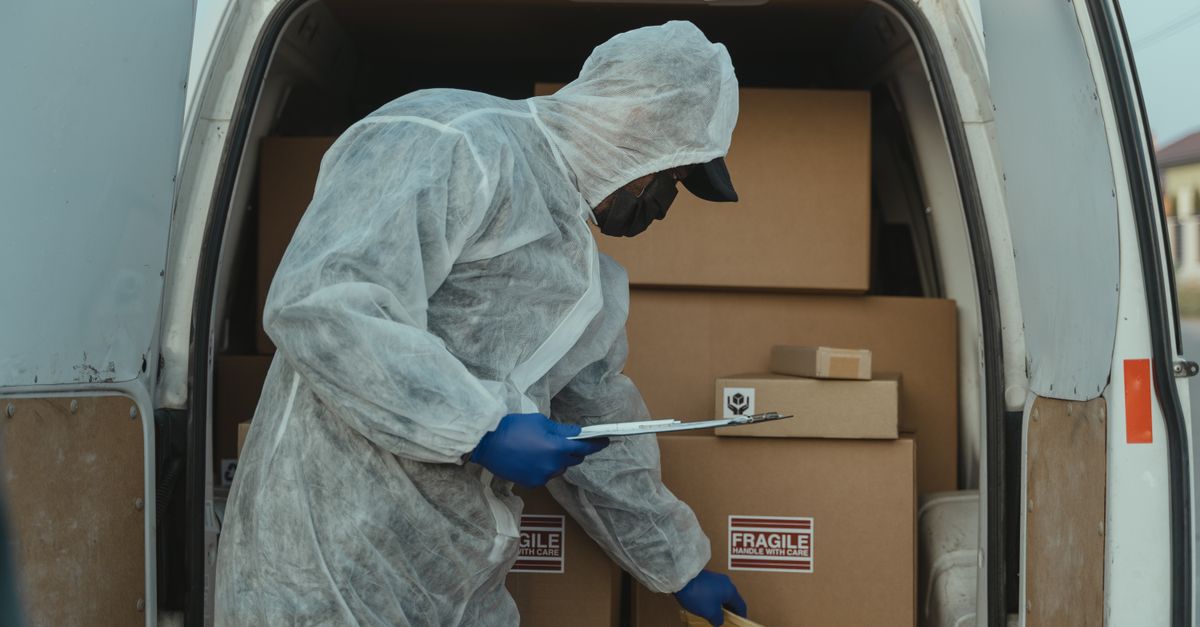
Should I Self-Insure Lost Packages or Buy Third-Party Shipping Insurance?
Which option is better for most small ecommerce brands?
Self-insuring is often the better option for independent brands because it keeps the decision close to the order, the customer, and the store team actually handling support. That matters a lot when the same person answering email is also protecting margins and trying to stop delivery disputes from turning into chargebacks.
A buyer-paid protection model is often the cleanest version of self-insurance. The buyer opts into a small fee at checkout, the merchant keeps that fee, and the merchant uses it to offset future refund or reshipment decisions when a package is lost, stolen, or damaged.
Third-party shipping insurance makes more sense when a store owner wants someone else setting coverage rules and reviewing claims. That can reduce internal handling, but it also means the merchant gives up some control over how a real customer problem gets resolved.
If you're leaning toward a self-insured setup in your OpoShop store, the next step is making the claims workflow simple enough to run without chaos.
What does it mean to self-insure lost packages versus buy third-party shipping insurance?
Self-insuring lost packages means the merchant keeps the risk and pays for approved refunds or reshipments directly. Buying third-party shipping insurance means an outside provider takes a formal role in coverage and claims, usually under its own rules.
In a self-insured model, the store is not buying an insurance policy for each parcel. The store is collecting money, setting a protection promise, and deciding how to handle valid delivery issues. That often shows up as buyer-paid package protection at checkout in an OpoShop store.
Here is the practical difference:
| Model | Who collects the fee | Who keeps the money | Who reviews the claim | Who decides refund or reship | Who owns customer experience |
|---|---|---|---|---|---|
| Self-insurance | Merchant | Merchant | Merchant | Merchant | Merchant |
| Third-party shipping insurance | Third party or merchant, depending on setup | Usually third party or split by policy | Third party or insurer workflow | Third party rules often shape the outcome | Shared or outsourced |
A self-insured workflow is usually more direct. A buyer files a claim against the real order, the merchant reviews the situation, and the merchant resolves it inside the store with a refund or reshipment.
That last part matters. The claim is tied to the actual order, not floating around in a separate system with no connection to what happened in checkout.
A third-party insurance setup can work well too. But the merchant is usually accepting someone else's policy language, claim standards, and approval flow. If that trade feels fine, outside coverage can be a reasonable choice.
Why does this decision matter for small ecommerce operations?
This choice affects money, support time, chargebacks, and how much trust a customer feels after something goes wrong. For a merchant shipping 50 to 2000 orders a month, that is not a side issue. It is part of day-to-day operations.
A lost package is never just a shipping problem. A lost package becomes a margin problem if you eat the replacement cost, a support problem if your team spends 20 minutes going back and forth, and a dispute problem if the buyer gives up and files a chargeback.
That is why self-insuring appeals to a lot of small brands on OpoShop. The merchant can write a clear refund or reshipment policy, collect a small protection fee, and handle claims in one place instead of patching together inbox threads, tracking screenshots, and manual notes.
Third-party shipping insurance changes the shape of the work. Some of the risk handling moves outside the store, but the customer still sees your brand first. If the claim process feels slow or rigid, the customer rarely blames the policy structure. The customer blames the store.
Delivered-but-not-received claims are where this gets especially real. If a buyer has no easy path to file a claim against the real order, that buyer may go straight to the bank. A chargeback is often more expensive than a controlled refund or reshipment.
How do you decide which model fits your store?
The best model is the one your store can run consistently without losing money or creating a support mess. That answer usually shows up after you look at five things: order volume, product value, claim frequency, support capacity, and how much control you want over the final decision.
A simple way to pressure-test the decision is to compare total cost, not just the fee on paper.
Compare these costs:
- replacement or refund cost
- claim handling time
- customer frustration
- chargeback exposure
- policy rigidity
- checkout conversion impact
A weak comparison says, "Third-party insurance costs less per shipment."
A stronger comparison says, "Third-party insurance charges less upfront, but self-insurance lets us keep the protection fee, decide claims faster, and stop more delivered-but-not-received disputes from turning into chargebacks."
That is the real math. Not just fee versus fee.
If you sell on OpoShop and want a cleaner way to run that self-insured process, it helps to have claims tied back to real orders instead of handled in scattered support threads.
Self-insurance vs third-party shipping insurance: side-by-side comparison
Self-insurance gives the merchant more control. Third-party shipping insurance gives the merchant more distance from the risk. That is the cleanest way to frame it.
| Category | Self-insurance | Third-party shipping insurance |
|---|---|---|
| Control | Merchant controls policy, approvals, refunds, and reships | Third party controls much of the claim logic |
| Customer experience | Merchant can make judgment calls and move fast | Customer may need to follow outside claim steps |
| Claims workflow | Claim can be filed against the real order | Claim may live in a separate insurer process |
| Cash flow | Buyer-paid protection can offset future claims | Fees often leave the store or are limited by policy terms |
| Policy flexibility | Merchant can define lost, stolen, damaged, and delivered rules | Coverage rules are usually fixed |
| Chargeback prevention | Strong if buyers have a visible claim path | Mixed if buyers do not trust or complete the outside process |
Self-insurance is usually better for brands that care a lot about how support feels. If a repeat customer has a porch theft problem, the merchant can review the order, look at the shipping history, and make a practical call.
Third-party insurance is usually better for brands that want less direct involvement. That can be useful, especially for expensive products or stores with unusual shipping risk.
Still, a lot of OpoShop merchants do not need a formal insurer to handle every missing package. They need a clean process, a clear policy, and a way to record what protection was collected and how each claim was resolved.
Common mistakes merchants make when choosing a package protection model
The biggest mistake is treating every delivery issue like the same problem. A damaged order, a lost parcel, and a delivered-but-not-received claim need different rules.
Another common mistake is offering protection without a written claims policy. If the checkout offers package protection but the store has no clear response standard, support turns into case-by-case guesswork. Customers feel that immediately.
A third mistake is underpricing protection. If the fee is too low, the merchant collects a little money but still absorbs most of the pain. If the fee is too high, the offer feels suspicious and hurts trust at checkout in your OpoShop store.
The other big miss is assuming insurance alone stops chargebacks. It does not. Chargebacks usually happen when the buyer feels stuck, ignored, or unsure what happens next.
A better workflow looks like this:
- the buyer sees package protection at checkout
- the buyer files a claim against the real order
- the merchant reviews the claim in one place
- the merchant refunds or reships inside the store
- the decision is recorded clearly
That is how you lower confusion.
What we recommend for independent brands handling their own support
For most independent brands, a self-insured, buyer-paid protection workflow is the better fit. It keeps the money, the decision, and the customer conversation in the merchant's hands.
That recommendation gets stronger when the store ships moderate volume, sells products with manageable replacement cost, and already handles support in-house. That describes a lot of brands on OpoShop.
Third-party shipping insurance is still worth a look if replacement costs are high, fraud risk is unusually high, or the team does not want to own claims at all. There is nothing wrong with outsourcing. You just want to be honest about what you are giving up in control and flexibility.
What we would not do is choose based only on who says "insurance" and who does not. The better question is simpler: which setup gives your buyers a clear path when a package goes missing, and which setup can your team actually run every week?
For many stores, that answer is a self-insured system with buyer-paid protection at checkout and a claims inbox that tracks the promise collected, the order attached to the claim, and the merchant's final decision. That setup does not act as insurance and does not move money. It just makes the workflow usable.
Best answer: Most small brands should start with a self-insured package protection model if they want tighter control over claims, faster support decisions, and a better way to prevent delivery issues from turning into chargebacks. Third-party shipping insurance makes more sense when high order values or limited support capacity make outsourced risk handling worth the trade.
If you want a simpler way to run a self-insured package protection workflow, Coverly helps merchants collect buyer-paid protection and manage claims against real orders.
FAQs
Is shipping protection the same as shipping insurance?
No. Shipping protection is often a merchant-run promise tied to refund or reshipment terms, while shipping insurance usually involves a third-party coverage model with its own claim rules.
Can I offer package protection if I fulfill orders myself?
Yes. A merchant that fulfills orders in-house can still offer package protection in an OpoShop store, collect a buyer-paid fee, and handle approved claims directly.
How do I handle lost package claims without issuing chargebacks?
Give buyers a clear claim path tied to the real order before they go to their bank. When a buyer can file a lost package claim directly with the store, the merchant has a better chance to review the case and resolve it with a refund or reshipment first.
What should I do when tracking says delivered but the customer never got it?
Treat delivered-but-not-received claims as their own category. Ask for the delivery details, check the order history, review any claim policy you set, and give the buyer a direct next step instead of making the buyer argue through email.
How much should I charge for package protection?
The fee should be small enough to feel reasonable at checkout and large enough to help offset future claims. The right amount depends on order value, claim frequency, and how often the store ends up refunding versus reshipping.
What should a package protection policy include?
A package protection policy should explain what counts as lost, stolen, damaged, or delivered-but-not-received, how long buyers have to file, what evidence you ask for, and whether the resolution is a refund, a reshipment, or either at the merchant's discretion.
Summary
Self-insuring lost packages is usually the better fit for small brands that want control, flexibility, and a better handle on delivery disputes before they turn into chargebacks. Third-party shipping insurance is a better fit for merchants who want to hand off risk handling and accept more fixed claim rules.
The decision gets easier when you look at the real operating picture in your OpoShop store: order volume, replacement cost, claim patterns, support time, and how you want claims to feel for the customer. If your team wants a practical middle ground, a self-insured buyer-paid protection workflow often gives you the cleanest setup.