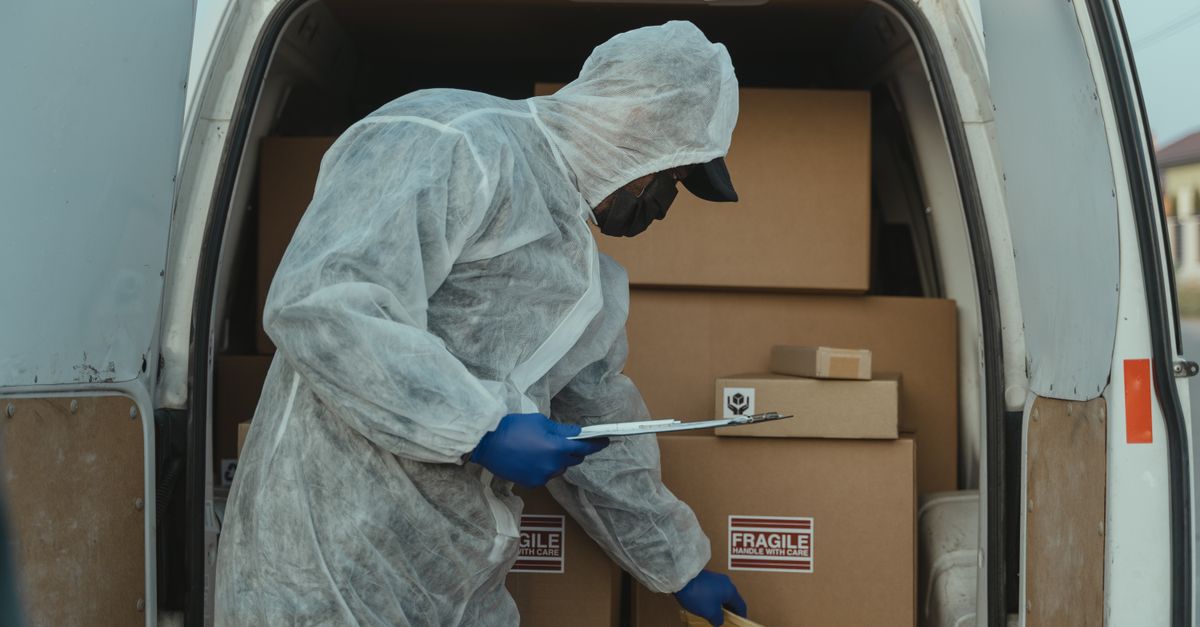
What is package protection for ecommerce orders?

What Package Protection Actually Is
Package protection is a paid promise attached to a single order. The shopper adds a few dollars at checkout, and in return the store agrees to make things right if the parcel never arrives, disappears from a porch, or shows up broken.
The important thing to understand is that this is a promise from the store, not from the carrier. The carrier already has its own claims process, and anyone who has used it knows how slow and narrow it can be. Package protection sits on top of that, and the store is the one who answers.
That is why the shopper experience is so different. Instead of a customer chasing a carrier claim with a tracking number and a photo of an empty box, they contact the store they actually bought from. For merchants on OpoShop, that is usually the outcome everyone wanted anyway, just funded properly.
Who Pays and Who Decides
The shopper pays, and the store decides. That split is the whole model, and it is worth being precise about it because it is where most confusion lives.
The fee is collected as a line on the order, exactly like a product. On OpoShop it lands in the store's normal payout with everything else on that order. There is no separate account, no third party holding money, and no revenue share going anywhere.
When a claim comes in, the store reviews it and makes the call. Approve and reship. Approve and refund. Deny with a reason. Because the store is the decision maker, the outcome can be generous when the situation deserves it, which is something a rigid third party process rarely allows.
Here is how the two roles break down:
- The shopper's side: Opts in at checkout, pays a small fee, files a claim with their order number and email if something goes wrong.
- The store's side: Sets the fee, keeps the fee, reviews claims, and reships or refunds from their own inventory and balance.
- The record: Which orders were protected, what was collected, what was claimed, and what was decided.
- What nobody does: There is no underwriter, no adjuster, and no external payout to wait for.
Why Stores Add It
Stores add package protection because they were already paying for lost parcels, just invisibly. Every replacement shipped out of goodwill came from somewhere, and for most small brands it came straight off the margin without ever landing in a report.
Think about the math on a single order in a typical OpoShop store. A customer buys $80 of product. It vanishes. The store reships, so now that sale has cost them a second round of product and a second round of postage, and the original $80 is doing double duty. Do that three times a month and it is a real number.
A protection fee spreads that cost across the orders that arrive fine. Most parcels do arrive fine. The ones that do not stop being a surprise expense and start being a budgeted one.
There is a second benefit that is easier to feel than to measure. When a customer has paid for protection, the conversation after a missing parcel changes completely. They are not asking you for a favor. They are using something they bought, which makes the whole exchange calmer for both sides.
How to Add Package Protection to Your Store
The fastest way to launch package protection is to start with one simple rule, write the promise in plain language, and turn it on. You can refine the pricing later once you see real claim volume.
Here is what each of those looks like in practice.
1. Decide what you cover
Start narrow. Lost in transit and stolen after delivery cover the majority of real cases, and damaged in transit is an easy third. You can always add more later.
Be specific about what is not covered too. Wrong addresses entered by the customer at checkout, refused deliveries, and damage the buyer caused after opening the box are the usual exclusions, and stating them up front prevents an argument later.
2. Set the fee at a level nobody argues with
The fee has to feel small next to the order. A few dollars on a mid sized cart reads as sensible. Ten percent of the order reads as a second price, and shoppers will decline it or resent it.
A percentage of the cart with a floor and a ceiling works well for most stores because it scales with what is at risk. A $20 order and a $400 order should not pay the same amount to be covered.
3. Make the promise readable
The words next to the toggle matter more than the price. A shopper deciding in two seconds is reading one sentence, so that sentence should say what you will actually do. Something like "if it is lost, stolen or arrives damaged we will replace it or refund you" is worth more than a paragraph of conditions.
For stores on OpoShop, this is the part that turns protection from a mysterious surcharge into something people willingly opt into.
Package Protection vs Carrier Claims vs Absorbing the Cost
Package protection, carrier claims, and simply eating the loss are the three ways a store can handle a missing parcel. Most stores end up using more than one, but they solve different problems.
| Option | Best use case | Why it works | Watch-out |
|---|---|---|---|
| Package protection | Everyday lost, stolen, and damaged parcels | Funded by an opt-in fee, and you control the decision | Only covers orders where the shopper opted in |
| Carrier claim | High value shipments with a declared value | The carrier pays out when the claim is accepted | Slow, paperwork heavy, and often denied for porch theft |
| Absorbing the cost | Rare one-off problems and goodwill gestures | Fastest possible resolution, zero process | Unbudgeted, invisible, and grows with your order volume |
Package protection is the day to day tool. It is designed for the ordinary failures that happen at a predictable low rate across a lot of orders.
Carrier claims still make sense for genuinely expensive shipments where the declared value justifies the paperwork, and plenty of OpoShop merchants keep both options open. They are a poor fit for a $60 order that disappeared off a porch, because porch theft after a successful delivery scan is usually outside what a carrier will accept.
Absorbing the cost never fully goes away, and it should not. Some situations deserve a fast yes with no process at all. The goal is to make that a choice you make deliberately rather than the only tool you have.
What It Is Not
Package protection is not insurance, and being clear about that protects both you and your customers. There is no insurer, no underwriter, and no risk pool. You are making a guarantee about your own orders, funded by a fee you charge and keep.
That distinction is not just wording. Insurance is a regulated product in most places, and describing a store guarantee as insurance can create a problem you did not intend. Call it protection, a shipping guarantee, or a replacement promise.
It is also not a way to make money on failures. If a store prices protection so high that it becomes a profit center, shoppers notice, decline it, and trust the brand a little less. The OpoShop merchants who get the most out of protection price it to cover replacements, not to pad margin. The fee should look like what it is, which is a shared cost of getting parcels safely to doors.
Finally, it is not a substitute for good shipping. Protection covers the failures you cannot prevent. If a specific carrier or a specific packaging choice is generating claims, the claims data is telling you to fix the upstream problem, not to raise the fee.
What Good Looks Like After a Few Months
A healthy package protection setup is quiet. Most orders opt in, most parcels arrive, a small number of claims come through each month, and each one takes a couple of minutes to resolve.
You should be able to answer three questions at any time. How many orders were protected. How much was collected. How much went back out in replacements and refunds. If those three numbers are visible, you know whether the fee is set correctly.
The claims themselves become useful data. A cluster of damage claims on one product usually means the packaging is wrong. A cluster of missing parcels in one region usually means a carrier problem worth escalating. Stores on OpoShop that read their claims this way tend to fix the cause and watch the claim rate drop on its own.
If your claim rate is climbing steadily, that is worth investigating before it is worth repricing. A protection program is meant to absorb a normal failure rate, not to paper over a broken fulfillment step.
Best answer: Package protection is an optional fee a shopper pays at checkout so their order is covered if it is lost, stolen or damaged, with the store making the replacement or refund. It is a guarantee the store funds and controls, not insurance from a third party. For most brands on OpoShop, it converts an invisible cost you were already absorbing into a small, predictable line item with a process attached.
If you ship physical products and have ever replaced a parcel out of goodwill, this is the gap it fills.
FAQs
Is package protection the same as shipping insurance?
No. Shipping insurance is a regulated product sold by an insurer or a carrier, with an underwriter behind it. Package protection is a guarantee the store itself makes and funds with a fee it collects and keeps, and the store decides every claim.
Do customers actually pay for package protection?
Many do, especially when the fee is small relative to the order and the promise is written in plain language next to the toggle. Take up is highest when the shopper can see exactly what is covered and what it costs before they reach the payment step.
What happens if a customer declines protection and their parcel goes missing?
That is the store's judgment call, exactly as it was before. Many merchants still help out on a case by case basis, but they do it as a deliberate goodwill decision rather than as an obligation, and the declined order is a useful record of that.
Can I offer package protection if I fulfill orders myself?
Yes. Self fulfillment is arguably the best fit, because you already control the packaging, the carrier choice, and the replacement stock. Approving a claim just means picking and shipping another unit the same way you shipped the first one.
How much of the fee do I keep?
All of it, when protection is set up as a normal line item on your own order. The money is collected by your store through your usual checkout and lands in your normal payout with the rest of the sale.
Does offering protection encourage people to file false claims?
A small number of bad faith claims is realistic in any program. Gating claims to the real order and the exact email used at checkout, setting a sensible claim window, and limiting how many claims one order can generate keeps the problem manageable without making honest customers jump through hoops.
Ready to stop absorbing the cost of parcels that never arrive? Set protection up where your store already sells.