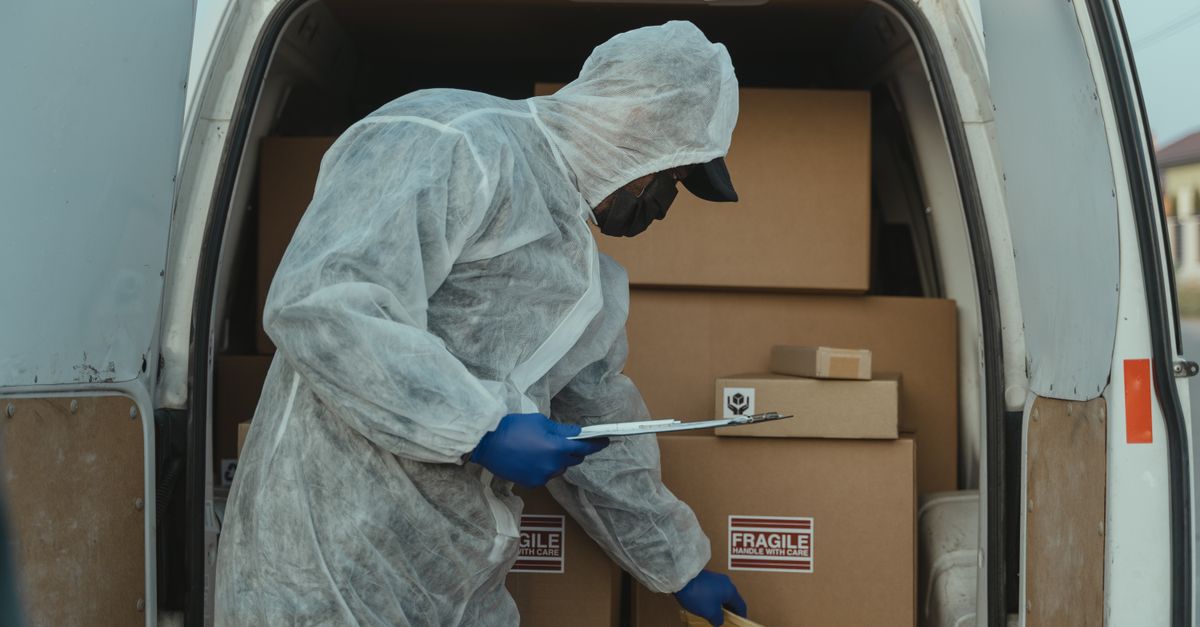
What Packaging Mistakes Cause More Breakage During Shipping?
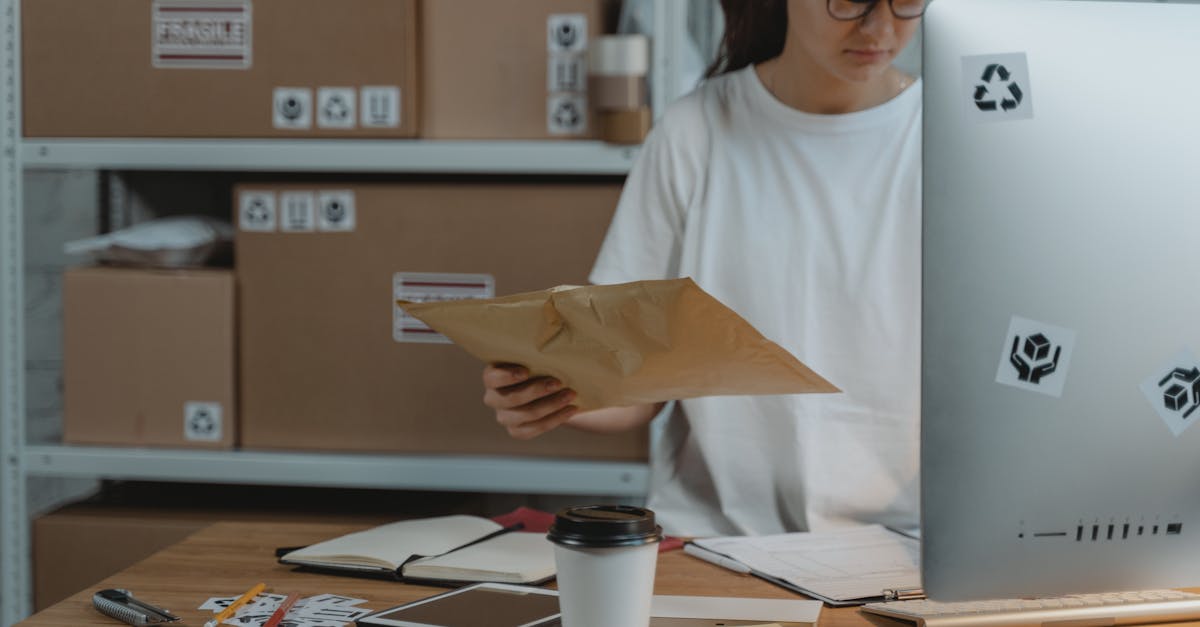
The packaging mistakes that cause the most shipping breakage
The biggest packaging mistakes are easy to name, and expensive to ignore.
The short list is this: oversized boxes, flimsy boxes, too little cushioning, cushioning that fills space but does not stop movement, soft mailers for crush-prone products, and weak tape or poor sealing. If a product can slide, rattle, collide with another item, or take a direct hit through the outer wall, breakage goes up.
For merchants shipping 50 to 2000 orders a month from an OpoShop store, that turns into real margin loss. One damaged order is not just one damaged order. It is a replacement cost, a support thread, and sometimes a delivery dispute that ends in a chargeback.
What counts as a packaging mistake in ecommerce shipping?
A packaging mistake is any choice in box size, material strength, cushioning, sealing, or product fit that makes damage more likely during normal carrier handling.
That definition matters because carriers do not handle parcels like fragile props in a photo shoot. Boxes get stacked, dropped, compressed, tilted, and pushed around conveyors. Packaging has to survive that reality, not the packing table.
In plain terms, packaging mistakes usually show up in five places:
- The box is too large for the item
- The outer packaging is too weak for the weight
- The cushioning does not absorb impact or stop movement
- The product is not immobilized inside the package
- The seal fails before delivery is complete
If you sell on OpoShop, think of packaging as part of the order itself. The product can be fine when it leaves your shelf and still arrive broken because the packout was wrong.
A simple example makes the point.
Weak: A ceramic mug in a box with two air pillows floating on top and open space on all four sides. Stronger: A ceramic mug wrapped, centered, cushioned on every side, and packed in a right-sized rigid box with no internal movement.
The product did not change. The outcome usually does.
Why packaging mistakes matter for small ecommerce merchants
Packaging mistakes hit small merchants harder because small merchants usually pay for the damage themselves.
A larger brand can hide some of that loss in volume. A lean team running an OpoShop store feels every refund, every reshipment, and every support ticket. If the same SKU keeps arriving cracked, bent, or crushed, the problem is no longer bad luck. The problem is the packout.
The cost is not only the replacement item. The cost stack usually looks like this:
| Cost area | What happens when packaging fails |
|---|---|
| Product cost | You replace or refund the item |
| Shipping cost | You pay for the original shipment and often the reship |
| Support time | You answer emails, review photos, and calm frustrated buyers |
| Dispute risk | Damaged-delivery complaints can turn into chargebacks |
| Repeat purchase risk | Some buyers do not come back after a broken first order |
And this is the part many merchants miss. A damaged delivery often starts as a packaging problem and ends as a trust problem. The buyer does not care whether the box was oversized or the tape split at the seam. The buyer sees a broken order and wants it fixed fast.
If damaged orders are already eating up support time, a clear claims path helps contain the mess before it becomes a card dispute.
How can you identify the packaging mistakes causing your breakage?
You can identify the packaging mistakes causing breakage by reviewing damaged-order photos, grouping cases by SKU and packaging type, checking for movement inside the box, comparing carrier and service patterns, and testing revised packouts before a full rollout.
That sounds like a lot. It is not warehouse science. It is a simple review loop that most small teams can run in an afternoon.
A good review is specific. Do not label everything as "arrived damaged" and move on. Break it down. Was the glass chipped because it touched the box wall? Did a heavy item crush a lighter one in the same carton? Did the bottom seam fail under weight?
For a self-fulfilled OpoShop operation, the fastest win is usually grouping damaged orders by SKU and packaging type. Patterns show up quickly. You may find that one candle jar only breaks when it ships in an oversized carton, or one skincare set only leaks when bundled loosely with a heavier item.
What are the best ways to package orders to reduce breakage during shipping?
The best way to reduce breakage during shipping is to use right-sized rigid packaging, cushioning that immobilizes the product, strong sealing, and double-box protection for truly fragile items.
The goal is not to stuff more filler into the box. The goal is to stop movement and absorb impact.
Here is the practical comparison most merchants need:
| Packaging choice | Weaker approach | Better approach |
|---|---|---|
| Box size | Oversized box with empty space | Right-sized box with tight, protective fit |
| Outer packaging | Soft mailer for crush-prone item | Rigid box for anything that can crack, bend, or dent |
| Cushioning | Filler that only takes up space | Cushioning that holds the item in place on all sides |
| Product layout | Heavy and fragile items packed loose together | Separate wraps, dividers, or separate boxes |
| Fragile-item setup | Single box for highly breakable item | Double-box setup for glass, ceramics, and other high-risk products |
| Sealing | Light tape or one strip on the seam | Strong tape on all main seams and stress points |
So how do you pack fragile products so they do not break in transit? Start with a rigid box, wrap the item, cushion all sides, keep the product off the outer walls, and make sure nothing moves when you gently shake the carton. If you hear movement, the package is telling you the truth.
A lot of OpoShop merchants look for one magic cushioning material. The honest answer is that the material matters less than the result. The result you want is immobilization. Air pillows at the top of a box can fill space and still do almost nothing to stop side-to-side impact.
If you want a cleaner way to handle the damaged orders that still happen, even after the packout improves, give buyers a clear claim path tied to the actual order.
What common packaging mistakes lead to more damaged deliveries?
The most common packaging errors that lead to damaged deliveries are oversized boxes, under-cushioning, soft mailers for breakable items, loose mixing of heavy and fragile products, weak sealing, and skipping real-world packaging tests.
Oversized boxes
Too much empty space is one of the clearest causes of breakage. If the product can build momentum inside the box, impact gets worse.
How much empty space is too much? Enough space for the item to shift noticeably is too much. A little room for cushioning is normal. Open space that lets the item slide from one side to the other is where damage starts.
Under-cushioning
A thin layer of filler does not protect a fragile item from drops or compression.
This shows up all the time with mugs, jars, bottles, candles, framed items, and bundled gift sets. The item looks padded at first glance, but the cushioning is only on the top or only around part of the product. One exposed edge is often all it takes.
Using mailers for crush-prone items
Padded mailers and soft envelopes are not enough for products that can crack, bend, or dent under pressure.
Should you use a box, mailer, or padded envelope for breakable items? Use a box. Mailers work for soft, flexible, and low-crush-risk products. They do not do much against compression.
Mixing heavy and fragile items loosely
Heavy items become projectiles inside the package if they are not separated.
A common example is a glass bottle packed in the same box as a metal accessory or a dense refill pouch. If both items move freely, the heavier item wins. The fragile item loses.
Weak tape or poor sealing
Weak sealing turns a decent packout into a failed delivery.
Bottom seams split. Side seams peel. Corners open under weight. If the seal fails, cushioning and box choice stop mattering because the package is already compromised.
Not testing packaging for real transit conditions
A package that survives a shelf drop in your packing room can still fail in carrier handling.
How do you know if your packaging is strong enough for carrier handling? Start with simple tests you can actually repeat: shake tests for movement, short drop tests, compression checks, and trial shipments to yourself or a nearby team member. Fancy lab testing is nice. Repeatable in-house checks are what most small teams will actually use.
What do we recommend for merchants who keep paying for damaged orders?
We recommend fixing the top packaging failure points first, writing down a damaged-delivery policy, and putting a package protection workflow in place so claims go through a clear process instead of turning into chargebacks.
Start with the failure point that shows up most often. If one SKU breaks in one packout, fix that first. If one bundle gets crushed because heavy and fragile items ship together, separate them. You do not need a giant packaging overhaul to get a real drop in breakage.
Then document the rules. Small teams do better with repeatable packout instructions than with "just pack it carefully." In an OpoShop business, a simple rule set by SKU or product type is usually enough.
Finally, accept that not every damaged order is preventable. Carrier handling is messy. Porch drops are messy. Buyers still need a clear place to file a claim when something arrives broken.
That is where a package protection workflow helps. Instead of a frustrated buyer opening a chargeback because the order arrived damaged, the buyer files a claim against the real order, and the merchant can review, approve, refund, or reship through a cleaner process.
Best answer: Fix the preventable packaging errors first. Right-size the box, immobilize the product, strengthen the seal, and test the packout on the SKUs that break most often. Then back that up with a clear damaged-delivery process in your OpoShop store so unavoidable claims do not spill straight into support chaos or chargebacks.
FAQs
What is the most common packaging mistake that causes breakage?
The most common packaging mistake that causes breakage is too much empty space inside the box. Once a product can move around in transit, impact damage goes up fast.
Does using a bigger box make packages safer?
No. A bigger box usually makes packages less safe if the extra space lets the item shift, bounce, or collide with the box walls. Bigger only helps when the added space is used for real protective cushioning and immobilization.
Are padded mailers enough for fragile products?
No. Padded mailers are usually not enough for fragile products that can crack, shatter, bend, or dent. Breakable items need rigid outer protection, not just a soft layer around them.
How can I stop items from moving inside the box?
You stop items from moving inside the box by using right-sized packaging and cushioning that holds the product in place on every side. If the item rattles when you gently shake the package, the packout still needs work.
Should I double-box fragile orders?
Yes, for highly fragile orders, double-boxing is often the safer choice. A double-box setup gives the inner package another layer of distance and impact protection, which helps with glass, ceramics, and other high-breakage items.
What should I do when a customer says their order arrived damaged?
Ask for clear photos of the product, the packaging, and the shipping label, then review the order against your damaged-delivery policy. If you run an OpoShop store, it also helps to give buyers a clean claim path so the issue stays tied to the order instead of becoming a chargeback.
Summary: Reduce breakage by fixing the preventable packaging errors first
Most shipping breakage is not random. It usually traces back to movement, weak outer packaging, poor cushioning, bad product fit, or a seal that fails under stress.
That is good news, because those are fixable problems. Review damaged-order photos by SKU and packout, tighten the packaging rules that keep failing, and use a clear claims process for the damage you cannot prevent.
If damaged deliveries are still creating margin leaks and support headaches, Coverly gives merchants a cleaner way to handle package protection and damaged-order claims inside the order flow.