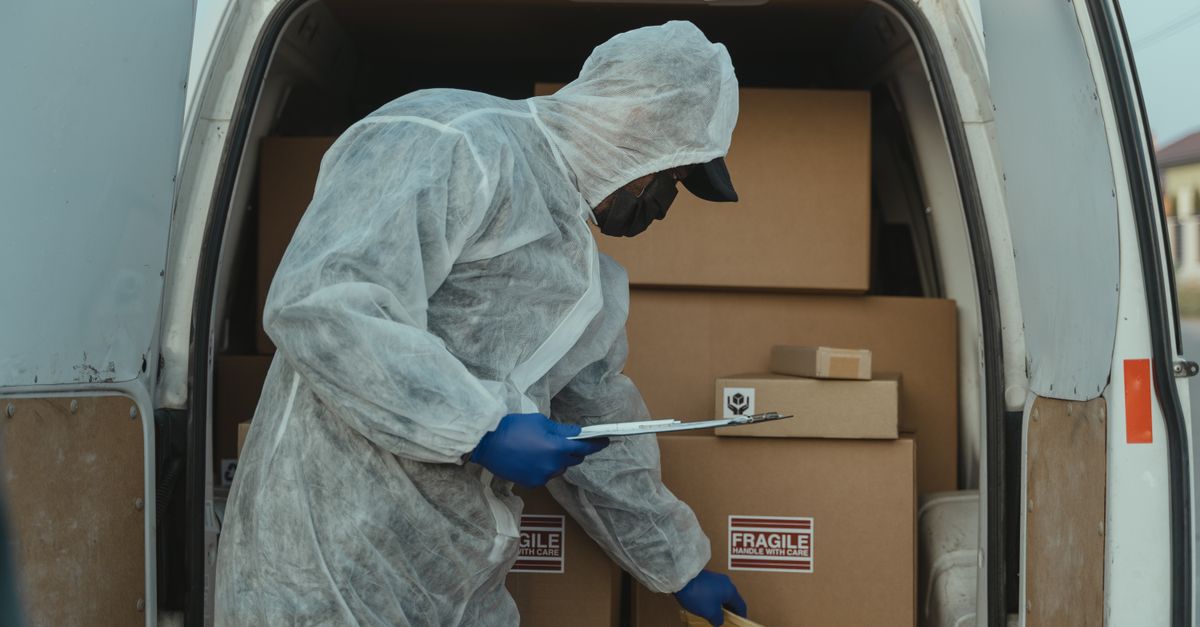
What Should I Do When a Customer's Order Arrives Damaged?
What to Do in the First Reply
Answer fast and lead with the fix. A customer holding a broken item wants to know it will be made right, and every sentence before that answer reads as a delay.
Three lines are enough. Apologize for the item arriving broken, ask for a photo of the item and a photo of the outer box, and tell them a replacement or refund will go out once you see them. Give a date. Sending a picture is a small ask when the reply promises a resolution attached to it.
Do not ask them to return the damaged item as a condition of help. For most products the return shipping costs more than the item is worth, and requiring it turns a two message exchange into a two week ordeal. Merchants on OpoShop who drop the return requirement on lower value items usually find their support load drops with it.
Skip the carrier lecture too. Explaining that the damage happened in transit and is therefore not your fault is technically true and completely irrelevant to the person holding the pieces. You sold it, you get to fix it, and you can pursue the carrier separately if the value justifies it.
Why Parcels Arrive Damaged
Damage has a small number of causes, and the photos usually reveal which one you are dealing with. Sorting them properly is what turns a claim log in your OpoShop store into a fix list.
- Crushed or punctured box: The outer packaging failed. Usually a carrier handling issue, sometimes a box that was too thin for the weight.
- Intact box, broken contents: Almost always a packing issue. The item moved inside the box or had nothing between it and the wall.
- Liquid leakage: A seal or cap failed under pressure or temperature change. Common with bottles shipped by air.
- Heat or cold damage: Melted, warped, or frozen contents, usually tied to season and transit time rather than handling.
- Manufacturing defect: The item was already flawed before it shipped. The box will look perfect.
That second case is the most important one to recognize honestly. An undamaged box with a broken item inside is not a carrier problem. It is a signal that your packing method needs work, and no amount of claim handling will fix it.
Track which cause each claim falls into. Five damage claims that all show intact boxes is a packing project worth an afternoon. Five claims with crushed corners from the same service is a carrier conversation or a routing change. Stores on OpoShop that tag claims by cause find these patterns in weeks instead of quarters.
The Photos You Actually Need
Ask for exactly two photos and explain what each one is for. Vague requests produce close-ups of a single crack that tell you nothing.
The first photo is the item as it arrived, ideally still inside the packaging. That shows the extent of the damage and how the item was sitting when it broke.
The second is the outer box from the outside, including any crushed corners, punctures, or carrier labels. That tells you whether the parcel took a hit and gives you the label detail if you later file with the carrier.
Ask for both in one message rather than going back for the second one later. A second request feels like an obstacle course to someone already inconvenienced, and it adds a day to a resolution that should have taken hours. A structured claim form that requires the photos before submitting solves this without any back and forth, which is one of the practical reasons to run damage claims through one path in your OpoShop store instead of through your inbox.
Keep the photos attached to the order. If a customer later disputes the charge or files a second claim, the original evidence should be one click away rather than buried in an email thread.
How to Handle a Damage Claim Step by Step
Damage claims should be the most routine thing your support process does. Set the pattern once and follow it every time.
Three parts of that are worth expanding.
1. Decide whether the return is worth requesting
Run the arithmetic per product. If return shipping is $9 and the item costs you $14, the return only makes sense if you can resell or salvage it. For a $14 item that cannot be resold, the return costs you money and costs the customer a trip to a drop-off point.
For higher value goods it changes. A $200 item worth repairing or refurbishing justifies a prepaid label. Set a threshold and apply it consistently instead of deciding case by case.
2. Replace by default, refund on request
Replacement costs your landed cost. A refund costs full retail plus the item you already shipped. Offer the replacement first, and switch to a refund the moment the customer asks, without a second round of persuasion.
There is one exception. If the item was for a dated occasion that has passed, a replacement is not useful and pushing it looks tone deaf. Refund and move on.
3. Record the cause, not just the outcome
Most merchants log that a claim was approved and stop there. The valuable field is why. Six months of causes turns into a packing improvement list, a carrier scorecard, and a product quality signal all at once.
Keeping that record on the order in your OpoShop store means the pattern surfaces on its own rather than depending on someone remembering three separate conversations.
Replace, Refund, or Offer Partial Credit
Three legitimate resolutions, and picking the wrong one either costs you extra or leaves the customer unsatisfied.
| Resolution | Your cost | Customer experience | Best fit |
|---|---|---|---|
| Send a replacement | Landed cost plus shipping | Gets what they ordered, keeps the sale intact | In-stock items and first time claims |
| Full refund | Full retail plus the lost goods | Clean and fast, ends the relationship neutrally | Out of stock items, dated occasions, or on request |
| Partial credit | Small discount amount only | Works when the item is usable despite cosmetic damage | Scuffed packaging or minor blemishes the customer accepts |
Replacement is the default because it costs the least and keeps the sale. It also gives you a second chance at the delivery experience, which most customers appreciate more than money back.
Refund is the right answer whenever speed matters more than the sale. Do not argue someone out of it.
Partial credit is underused and genuinely helpful when the damage is cosmetic. A dented tin or a scuffed box on a usable product is often fine with a customer if you offer 20 percent back rather than asking them to wait for a replacement. Always offer it as a choice, never as a substitute for a real fix. Presenting all three options in a single message is a habit worth building into your OpoShop support replies.
Fixing the Packaging Behind the Claim
The claim is a symptom. For most OpoShop merchants the packing bench is where the cure lives, and the changes tend to be cheap.
Start with void fill. Items should not touch the box wall or each other, and an inch of crush space on all sides prevents most impact damage. Air pillows, kraft paper, and molded inserts all work, and the right choice depends on weight rather than looks.
Then look at box strength. A single wall box carrying eight pounds will fail under a stack. Match board grade to weight rather than to what you have in the corner.
For liquids, tape the seal, bag the bottle, and expect pressure changes in air freight. For fragile goods, double boxing costs a little more per parcel and eliminates a category of claim outright.
Run the math before deciding it is too expensive. If better packing adds $0.40 per parcel across 900 orders, that is $360 a month. If it removes six damage claims at $26 each, that is $156 saved, which does not pay for itself. But if it removes fifteen, it does, and it also removes fifteen unhappy customers. Work it with your own numbers, because the answer flips depending on your claim volume.
If damage claims are already funded by an opt-in protection fee, this calculation gets easier rather than less important. The fee absorbs the cost while you fix the underlying issue, so nobody is choosing between a bad month and a rushed packaging change.
What We Recommend for OpoShop Merchants
Handle damage claims like the routine cost of shipping physical goods, because that is what they are. Speed and consistency matter far more than negotiating individual cases.
Three commitments cover it. Reply within one business day, require two photos and nothing else, and send the fix the same day you decide. Everything beyond that is optimization.
Then use the record. Six months of tagged causes will tell you which product to repack, which carrier to reroute, and whether your claim costs justify a protection fee at checkout. That loop is what separates a store that keeps paying for damage from one that slowly stops having it.
Best answer: When an order arrives damaged, reply within a day, ask for a photo of the item and a photo of the box, then replace or refund the same day you decide, skipping the return on anything not worth the freight. Record the cause on the order in your OpoShop store so repeated damage points you at the packing or carrier problem behind it.
Broken items are fixable in an hour. The pattern behind them is what deserves the real attention.
FAQs
Should I ask the customer to return the damaged item?
Only when the item is worth the return freight or when you need it back for a carrier claim. For lower value goods the return costs more than the item and adds a week to the resolution, so tell the customer to keep or dispose of it and send the replacement immediately.
Can I claim damage costs back from the carrier?
Sometimes, if the shipment carried declared value coverage and you file within the carrier's window with photos and the original label. For a $30 item the paperwork rarely pays for itself, but for high value shipments it is worth the effort.
How long should a customer have to report damage?
Between 7 and 14 days from delivery is a reasonable window for most stores, and it belongs in your written policy. A short window keeps evidence fresh while still allowing for a parcel that sat unopened for a few days.
What if the box looks perfect but the item is broken?
That points at packing rather than carrier handling, or at a defect that existed before shipping. Resolve it for the customer the same way, then treat it as a signal to change how that product is packed or to check the batch it came from.
Does package protection cover damaged items?
It can, if your written policy says so. Many stores cover lost, stolen, and damaged parcels under one promise, since damage is the most common of the three. Whatever you decide, state it plainly at checkout so nobody pays a fee expecting coverage they do not have.
Should I charge the customer for the replacement shipping?
No. Charging for shipping on a replacement of a broken item is the fastest way to turn a solvable claim into a public complaint or a dispute. Absorb it and fix the packing so it happens less often.
Damage is going to happen. Make the resolution boring and let a checkout fee cover the cost.